
When Is It Not Advised to Take out a Loan?
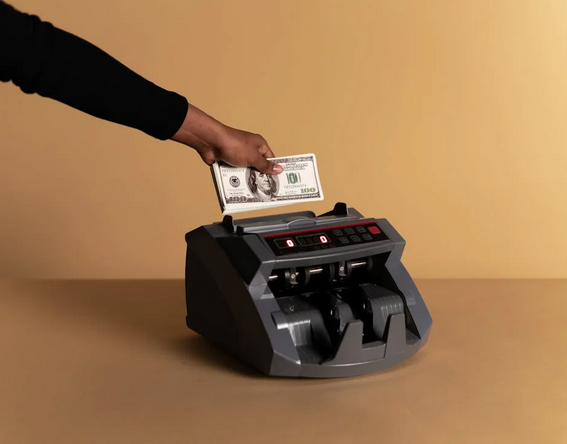
A loan can be beneficial in certain circumstances, such as buying a home, funding education, or starting a business. However, even with a decent pikalaina vertailu, there are times when taking a loan may not be advisable. Understanding these situations can help you avoid financial pitfalls and make more informed decisions. Here are several scenarios when it might be best to avoid taking a loan.
High-Interest Rates
The interest rate is one of the most significant factors before taking a loan. High-interest loans can lead to substantial debt over time, making it challenging to manage repayments. This is especially true for payday loans and credit card cash advances, often with exorbitant interest rates. If you can’t secure a loan with a reasonable interest rate, exploring other financial options may be better, or you may need to delay your purchase until you can save enough money.
Unstable Income

Taking a loan can be risky if your income is unstable or unpredictable. Without a steady income, you may struggle to make regular loan payments, leading to missed payments and late fees and causing you to ruin your credit score. If you work with irregular hours, are self-employed, or face potential job loss, it’s crucial to consider your ability to consistently meet loan obligations before taking on new debt.
High Debt-to-Income Ratio
Your debt-to-income ratio (DTI) measures how much your monthly income goes towards paying debts. A high DTI shows that a significant portion of your earnings is already committed to debt repayment, which can make it challenging to take on additional loans. Lenders typically prefer a DTI of 36% or less. If your DTI is high, it may be wise to focus on paying down existing debt before considering a new loan.
Non-Essential Purchases
Taking a loan for non-essential purchases, such as luxury items or vacations, is generally not advisable. These expenditures can often be delayed until you have saved enough money to pay them outright. Using loans for discretionary spending can lead to unnecessary debt and financial strain. It’s better to save and budget for these purchases than borrow money.
Poor Credit History
Your credit history has a role in determining the terms and conditions of any loan you receive. If you have a poor credit history, you are likely to face higher interest rates and less favorable loan terms. This can make borrowing more expensive and more complicated to manage. In such cases, it might be better to improve your credit ranking before applying for a loan. This can include paying off existing debts, making timely payments, and rectifying any errors on your credit report.
Insufficient Loan Purpose
Before taking a loan, it’s important to have a clear and specific purpose for the borrowed funds. Vague or undefined reasons for taking a loan can lead to inefficient use of the funds and difficulty in repayment. Ensure that the loan serves a necessary and productive purpose, such as financing education, home improvements, or consolidating high-interest debt. Avoid taking loans for purposes that don’t provide a tangible or long-term benefit.
Inadequate Repayment Plans

A well-thought-out repayment plan is essential when taking a loan. You may struggle to make payments if you don’t have a clear strategy for repaying the loan. This can lead to financial stress and potential default. Before borrowing, outline how you will repay the loan, including your monthly budget, possible sources of income, and any changes you might need to make to your spending habits.
Emergency Situations Without Other Options
While loans can sometimes be necessary in emergencies, it is essential to explore all other options first. For example, if you need funds for medical expenses or urgent home repairs, consider tapping into savings, asking for help from family or friends, or negotiating a payment plan with service providers. Loans should be a last resort in these situations, as they can add financial pressure during stressful times.
Taking a loan is a significant financial decision that should not be made lightly. It’s crucial to assess your financial situation, the reason for the loan, and your ability to repay it before borrowing money. High interest rates, unstable income, high debt-to-income ratios, and poor credit history are all red flags that suggest you should avoid taking a loan. Also, avoid borrowing for non-essential purchases and ensure a clear repayment plan. By weighing these factors, you can make more informed decisions and avoid unnecessary financial stress.…

 With a cash-in refinance, you’ll refinance your mortgage for higher than what you currently owe. You’ll get the difference in cash. You can use this cash to make home improvements or pay off other debts, such as a car loan. A cash-in refinance will usually have a lower interest rate than a home equity loan or line of credit. But keep in mind that if you have a low credit score, this refinance may not be an option for you.
 Some homeowners are upside down on their mortgages, which means they owe more than the value of their homes. If you’re in this situation, you can do a short refinance. With a short refinance, your lender agrees to forgive some of the debt you owe. In exchange, you’ll get a new loan with more favorable terms, such as a lower interest rate or a longer repayment period.